
Sales and returns
Define product selection, receipts, authorised discounts, exchanges and refunds for the actual operation.
POS and EPOS software supports the point where a business records a sale. A project can combine till workflows, product lookup, discounts, returns, stock updates and reporting, with payment terminals and back-office systems connected where supported.
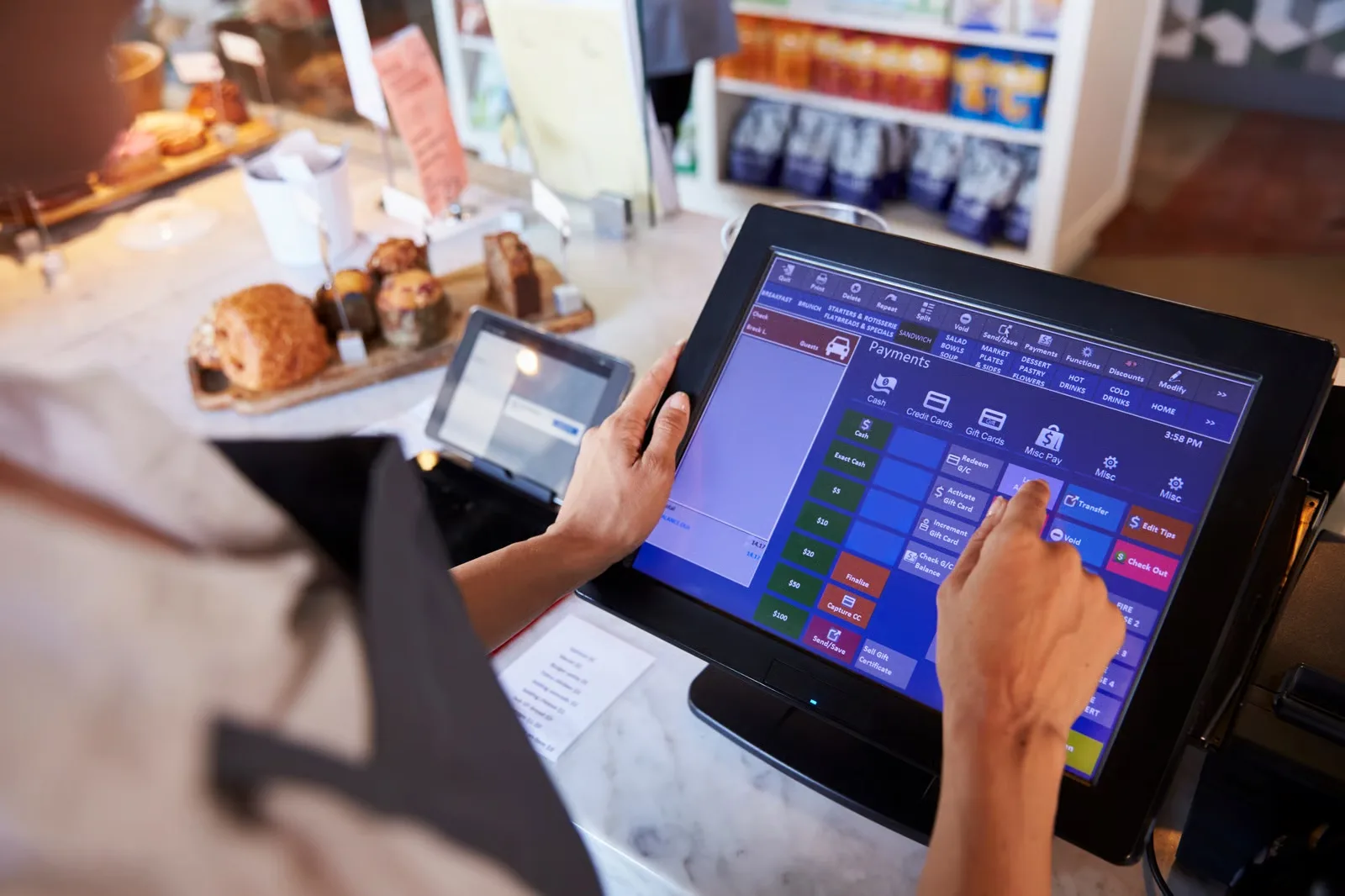
For retailers and hospitality teams whose current tills create slow checkout, unreliable stock figures or difficult reconciliation between channels and branches.
Define product selection, receipts, authorised discounts, exchanges and refunds for the actual operation.
Link sales, returns, deliveries and branch transfers to agreed stock records.
Assess provider-supported terminal or online payment connections; authorisation and settlement remain separate events.
Plan staff permissions, product and price changes, till sessions and consolidated reports.
A shop could record a return against the original sale, apply the approved refund workflow and update the correct stock location while retaining a reviewable transaction history.
This describes a possible scope, not a claimed client result.A device and workflow assessment, agreed till functions, supported connections, acceptance cases and a pilot rollout plan. Hardware supply, payment processing, offline behaviour and provider approval must be confirmed individually.
An existing EPOS platform with a focused integration may be sufficient. A custom POS build needs a clear reason and realistic device, payment and support requirements.
For a UAE operation, compare a single-location workflow with stock or orders moving between Dubai, Sharjah and Abu Dhabi locations. Agree language, currency and branch permissions separately from the location name, and confirm the actual payment or commerce provider’s regional capabilities.
Optimal Designz is operated by Optimal Design Solutions SMC-PVT Ltd., registered in Pakistan. Delivery arrangements, supported languages, system compatibility and ongoing support are confirmed in the written scope; this country edition does not imply a local office.
Have a similar task in mind? Share your current tools, the people involved and one complete example.
Discuss this requirementSee the capabilities, workflows and delivery choices behind the service. Start with the work you need to complete.
Begin with the people, processes and systems involved. These details help define what the work needs to support.
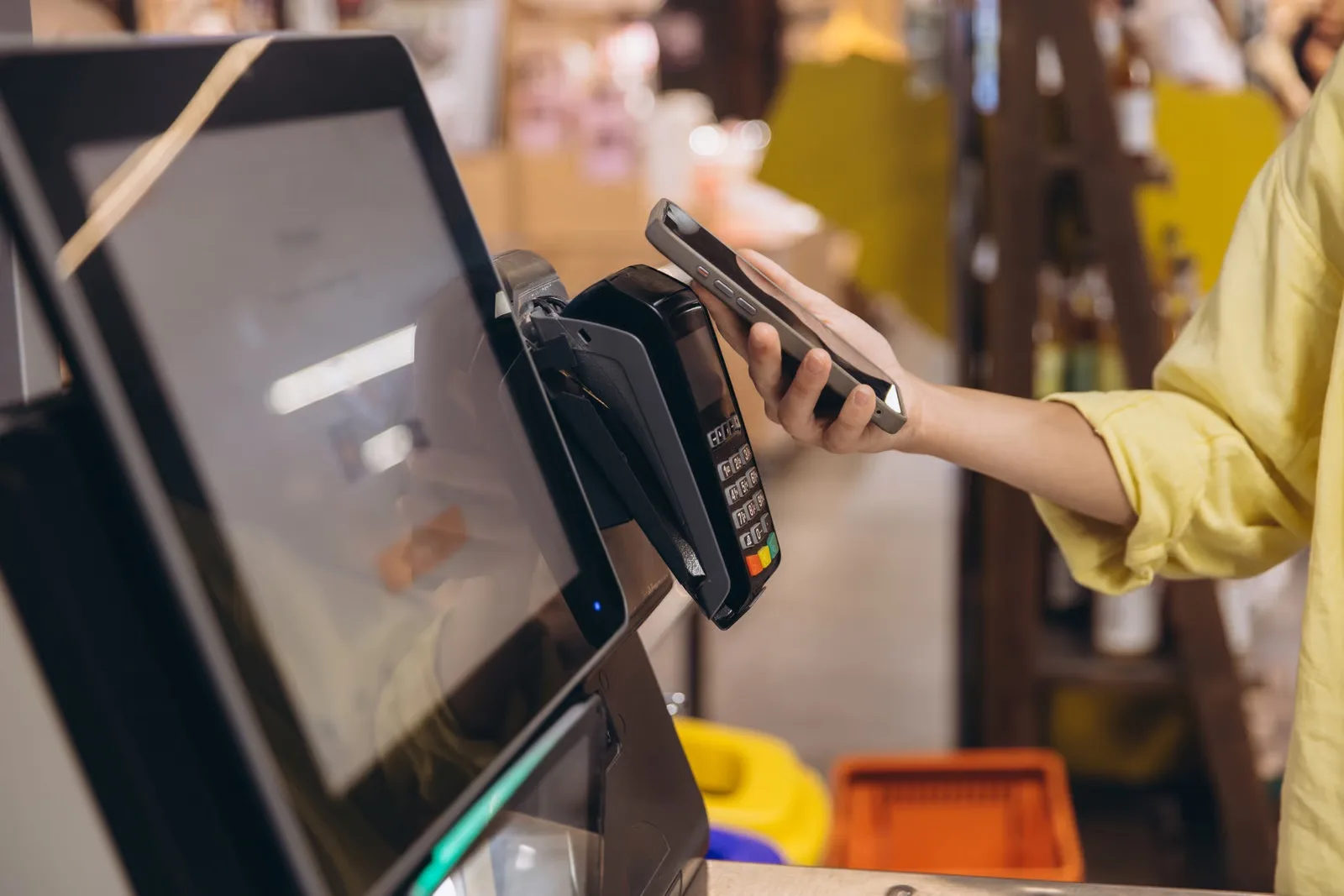
The right POS brief starts with an actual sale. How is the item or menu choice entered? Which prices and discounts apply? What happens when an item is returned, a bill changes or a payment is not completed? The answer may differ between a single shop, a café and several connected locations.
We map those tasks with the staff who need to carry them out. The scope should account for busy periods, common exceptions and the information a manager needs afterwards. That gives the project a stronger basis than selecting a till interface in isolation.
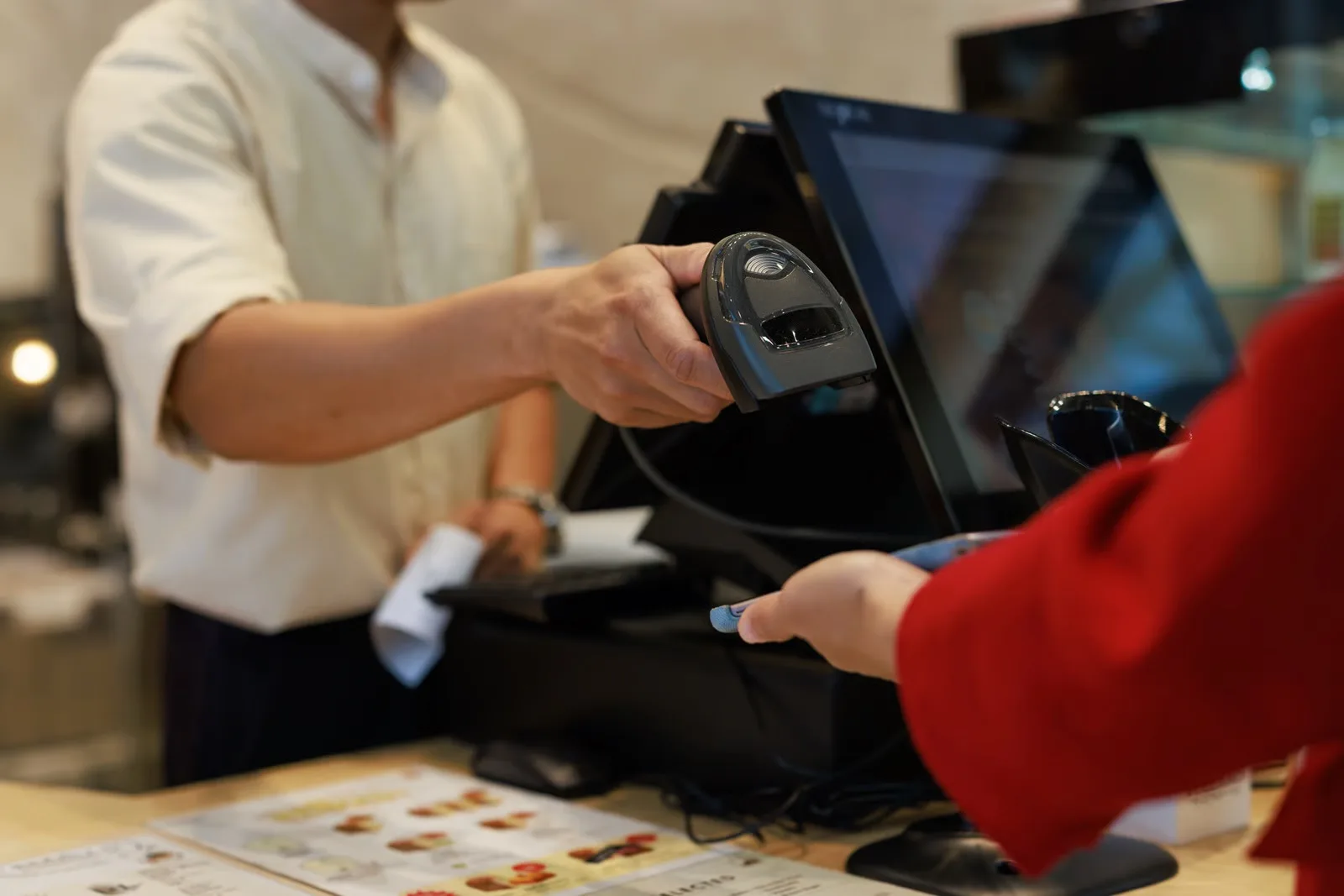
If your existing POS already handles the sale well, the missing part may be a connection to inventory, accounting or online orders. A focused integration can sometimes avoid a larger replacement. If essential pricing, approval or branch rules cannot be supported adequately, a tailored application may be worth considering.
We assess the available platform access, hardware and operational requirements before proposing that approach. An existing product licence, a development project and a card-processing agreement cover different responsibilities; the quote should make the boundaries clear.
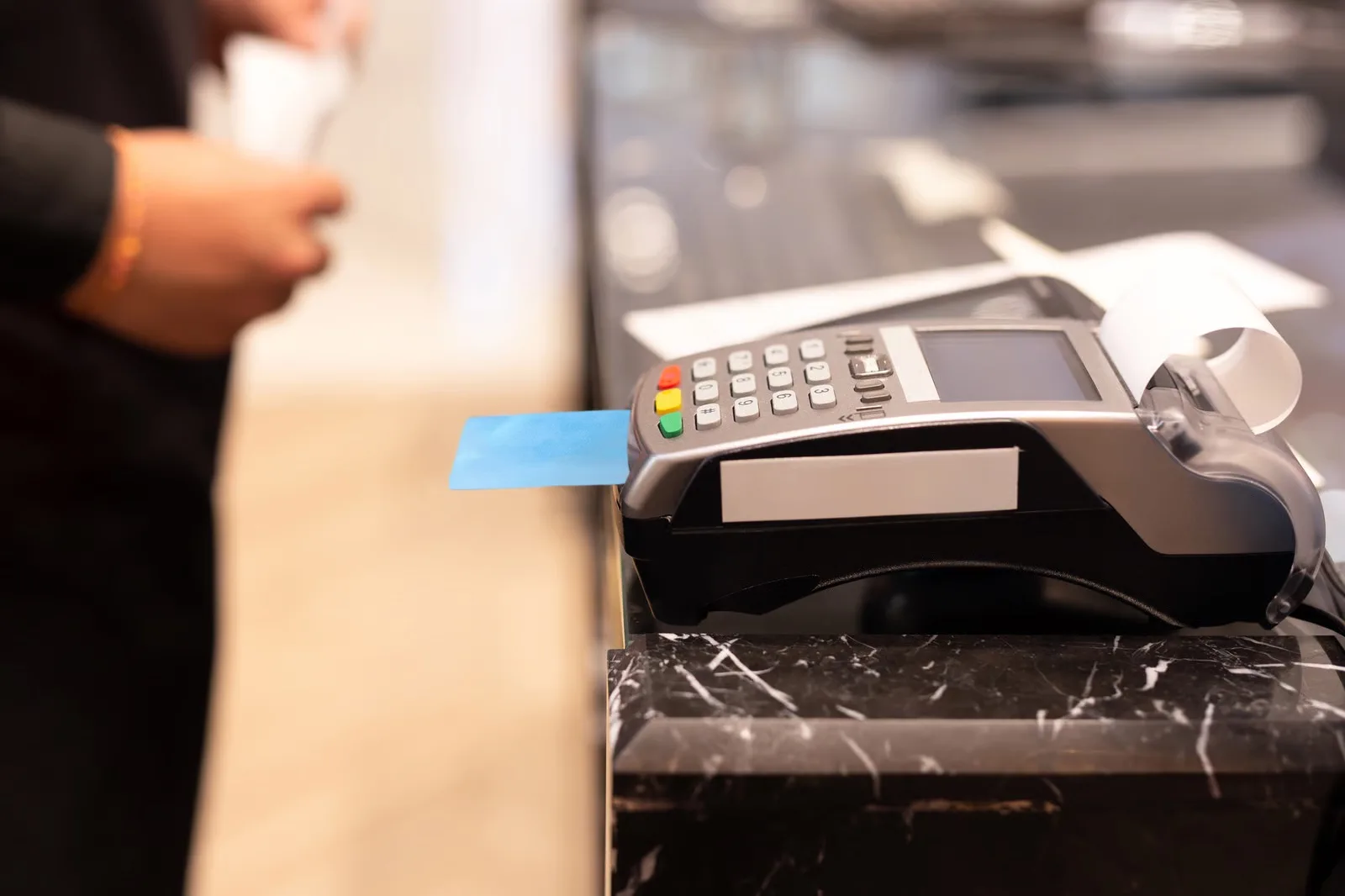
Retail requirements may include product variants, barcodes, receipts, returns, staff permissions and stock adjustments. The details matter: who can change a price, how a return affects available stock and when a transfer becomes visible at another location.
We define the required records and events so sales and stock can be checked together. If inventory is already maintained in another system, the integration needs an agreed owner for product details, pricing and quantity updates. The proposed functions are confirmed against your operation rather than assumed to be included in every build.
Explore the design, functionality and connections that can make the service fit its day-to-day use.
A café or restaurant may need to consider menu options, order changes, bill handling and the handover between customer-facing staff and preparation areas. Delivery, kitchen or table workflows can introduce different rules and exceptions.
These requirements should be demonstrated with representative tasks before the final scope is agreed. A connection to an ordering or delivery platform depends on its available integration access and terms. Naming a provider in the brief is the beginning of a feasibility check, not proof that a supported connection already exists.
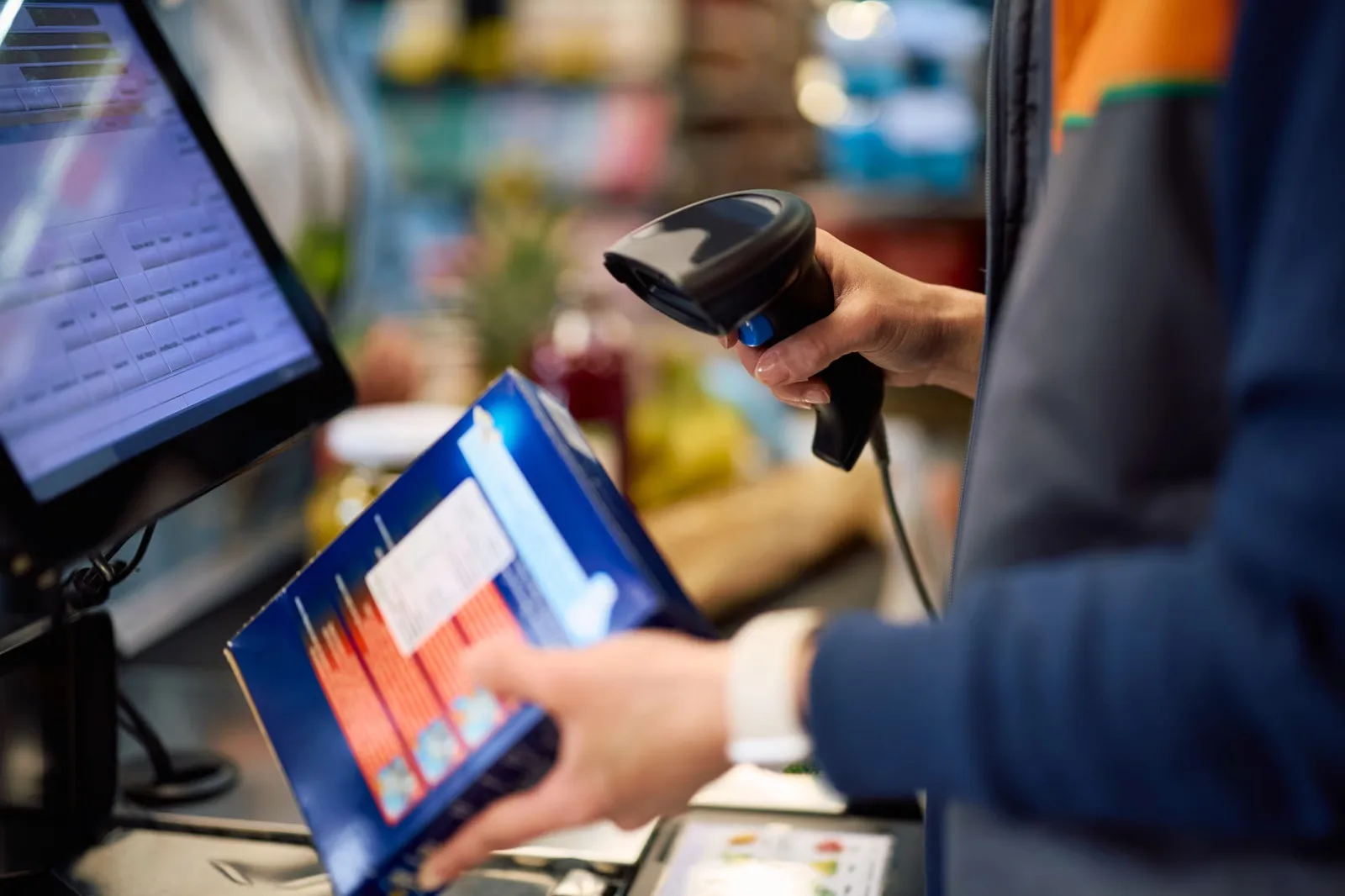
Payment terminals, scanners, receipt printers, cash drawers and operating systems need to be identified by their exact models and supported interfaces. A feature described generically as “payment integration” does not establish that it works with a particular acquiring provider or terminal.
We include compatibility and test access in the assessment. Payment authorisation and card handling remain subject to the relevant provider's approved methods and requirements. The project must not assume it can bypass those arrangements or treat a software change as a new payment-processing service.
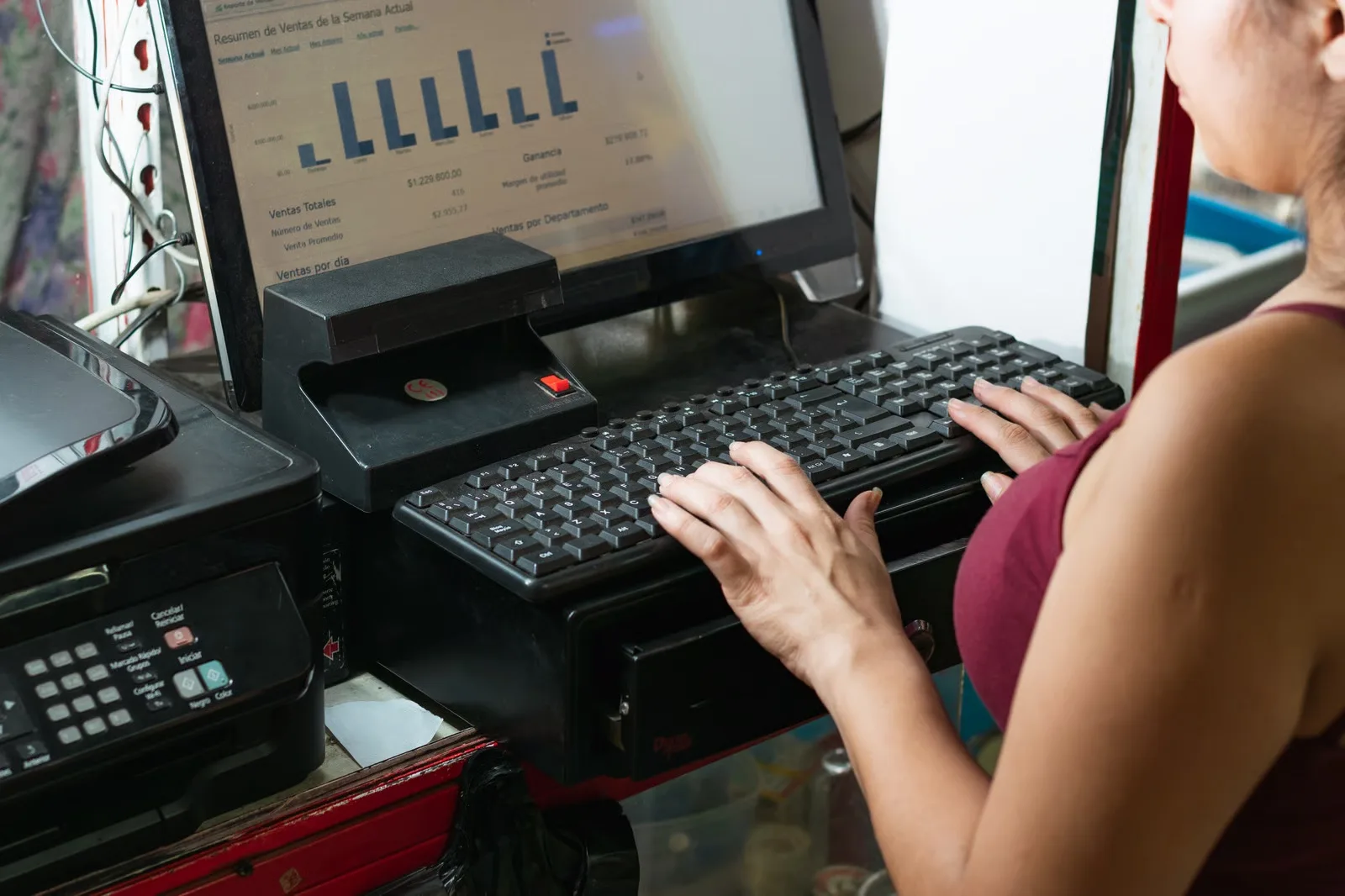
Your back-office priorities might include end-of-day reconciliation, branch comparisons, product movement or an accounting export. Define the decisions those reports need to support and how often the information must be updated.
For a system connection, agree which application owns each record, how failed transfers are retried and how exceptions are reviewed. The same approach applies when bringing online and in-store orders into a shared operational workflow.
Consider testing, handover and the next steps as part of a clear delivery plan.
A rollout should test the intended devices and the important operational tasks before the new process becomes the normal way of working. The agreed pilot might cover a completed sale, a refund, a stock adjustment and a day close, along with the relevant exception paths.
Opening data, permissions, staff guidance, backup and recovery arrangements also need owners. If offline behaviour is required, specify exactly what must remain possible, which payment functions depend on a connection and how records are reconciled afterwards. Test that requirement explicitly rather than assuming “offline” has one universal meaning.

When comparing POS software in Dubai, a POS system in Sharjah or a wider UAE rollout, separate software work from hardware purchases, licences, provider fees, connectivity, data preparation and support. Ask which party is responsible for each item and what has been tested.
For our development or integration proposal, the scope should identify deliverables, dependencies, acceptance tasks and the responsibilities for running the solution. That is a clearer basis for a decision than comparing an undefined “complete POS” headline with a custom-project quote.
Describe your current setup and the part that is difficult to manage. We can start with the compatibility, scope and process questions that need answering before a rollout is planned.
Explore the supporting detail after reviewing the capabilities and project choices.
Plan a point-of-sale workflow that fits the way you sell, manage stock and close the day. We assess custom POS software development and integrations for UAE retail and hospitality businesses, including improvements around an existing platform.
Practical answers to help you compare options and prepare for a useful project conversation.
For retailers and hospitality teams whose current tills create slow checkout, unreliable stock figures or difficult reconciliation between channels and branches.
POS and EPOS software supports the point where a business records a sale. A project can combine till workflows, product lookup, discounts, returns, stock updates and reporting, with payment terminals and back-office systems connected where supported.
This page covers scoped POS software development, extensions and integration work. Share your current setup and the changes you need so we can assess the fit. Any product licence, hardware purchase or installation requirement needs to be identified separately in the proposal.
We can assess the selected systems and their available integration options. Feasibility depends on APIs, licences, permissions, data formats and supported workflows. Access to provider documentation and a test environment helps establish what can be committed to.
Multi-branch requirements can be included in the assessment. Define product and price ownership, branch permissions, transfers, reporting and connectivity. The agreed scope determines which records are shared and what remains local to each location.
Provide the exact models, operating systems and payment provider. Compatibility needs to be checked through supported interfaces and the relevant test process. We do not assume that one device or provider behaves like another.
Invoice content, tax treatment and record-keeping need to be defined for your business with your accountant or tax adviser. Any software or integration scope must be checked against those requirements. A custom development proposal does not itself establish regulatory approval or accreditation.
That depends on the software architecture, devices and payment provider. If offline operation is required, define which actions need to continue, which must wait and how records will be reconciled after reconnection. The agreed behaviour must be tested for the selected setup.
The main cost factors are till workflows, devices, branches, returns, payment interfaces and stock reconciliation. Compare a focused first release with a wider build, and separate development from hosting, provider licences, usage and support. Share one representative task and your current systems so the estimate can state deliverables, assumptions and exclusions.
Your business type, number of locations and tills, current POS and stock systems, device models and the main workflow you want to improve. A short example of the problem is more useful than a long list of functions with no operating context.
Share your UAE business workflow, the systems you use today and the outcome you want to explore. We’ll agree the scope, dependencies and useful next step.
May we use Google Analytics to understand website visits and completed enquiries? It’s optional, and you can change your choice at any time.
Cookie information